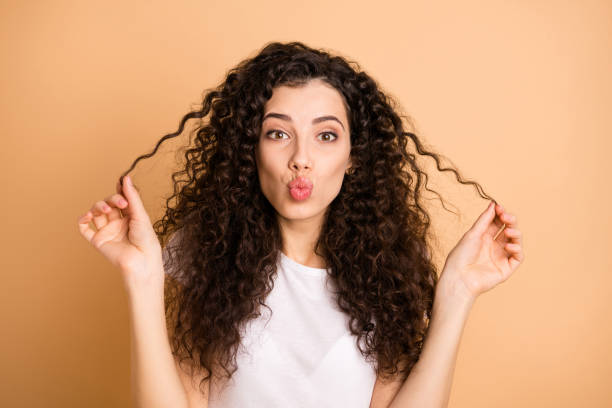
Curly hair is naturally beautiful, but it also comes with unique challenges. Compared to straight hair, curls are more prone to dryness, frizz, and breakage. This is largely because the natural oils produced by the scalp have a harder time traveling down the twists and bends of the hair shaft. Conditioner plays a critical role in addressing these challenges. The right curly hair conditioner doesn’t just soften hair—it directly influences moisture retention and curl pattern, shaping how curls look and behave day to day.
Why Curly Hair Needs More Moisture
Curly hair has a raised cuticle structure and a coiled shape, both of which make it harder to retain moisture. When moisture escapes, curls lose elasticity and definition, leading to frizz and dullness. Conditioners are formulated to replenish hydration, smooth the cuticle, and create a protective barrier that slows moisture loss. Without adequate conditioning, curls can appear undefined, brittle, and prone to breakage.
How Conditioners Improve Moisture Retention
At their core, conditioners work by coating the hair strand with moisturizing and conditioning agents. Ingredients such as humectants, emollients, and occlusives work together to attract, absorb, and lock in water.
Humectants like glycerin and aloe vera draw moisture from the environment into the hair shaft, increasing hydration. Emollients such as shea butter, argan oil, and coconut oil fill in gaps along the cuticle, making hair smoother and more flexible. Occlusive ingredients, including certain oils and butters, seal moisture in by forming a lightweight barrier on the hair’s surface. When used consistently, this combination helps curly hair stay hydrated for longer periods, reducing dryness between wash days.
The Connection Between Moisture and Curl Pattern
Moisture levels have a direct impact on how curls form. Well-hydrated hair is more elastic, meaning it can stretch and bounce back into shape without breaking. This elasticity allows curls to coil more naturally, resulting in better definition and a more uniform curl pattern.
When curly hair lacks moisture, it becomes stiff and fragile. Instead of forming smooth spirals or waves, curls may appear limp, uneven, or frizzy. Conditioner restores pliability, allowing each strand to bend and twist according to its natural pattern. Over time, consistent conditioning can help curls “remember” their shape, making styling easier and more predictable.
Slip, Detangling, and Curl Clumping
Another important way conditioners influence curl pattern is through slip—the smooth, lubricated feel that allows strands to glide past one another. Adequate slip reduces friction during detangling, minimizing breakage and preserving curl integrity.
Conditioners with good slip also encourage curl clumping, where individual strands group together into well-defined curls. Clumping is essential for creating a polished, cohesive curl pattern. Without enough conditioning, hair strands separate unevenly, leading to frizz and a lack of definition.
Protein Balance and Curl Structure
Some curly hair conditioners include proteins such as keratin, silk protein, or wheat protein. These proteins temporarily reinforce the hair shaft, helping strengthen curls and support their structure. For damaged or color-treated curly hair, protein can improve curl resilience and reduce breakage.
However, balance is key. Too much protein can make hair feel stiff and dry, disrupting curl formation. Moisturizing conditioners without heavy protein are often better for maintaining soft, flexible curls, while protein-rich formulas may be best used occasionally as treatments.
Choosing the Right Conditioner for Your Curls
Curl type, porosity, and lifestyle all influence which conditioner will work best. Fine curls may benefit from lightweight, rinse-out conditioners that hydrate without weighing hair down. Coarse or tightly coiled hair often needs richer, cream-based conditioners or leave-in formulas for long-lasting moisture. Understanding your hair’s needs allows you to choose products that enhance both moisture retention and natural curl pattern.
Conclusion
Conditioner is a foundational step in curly hair care, not an optional extra. By improving moisture retention, enhancing elasticity, and supporting curl formation, the right conditioner helps curls look healthier, more defined, and more resilient. With consistent use and thoughtful product selection, curly hair can reach its full potential—soft, hydrated, and beautifully defined.