
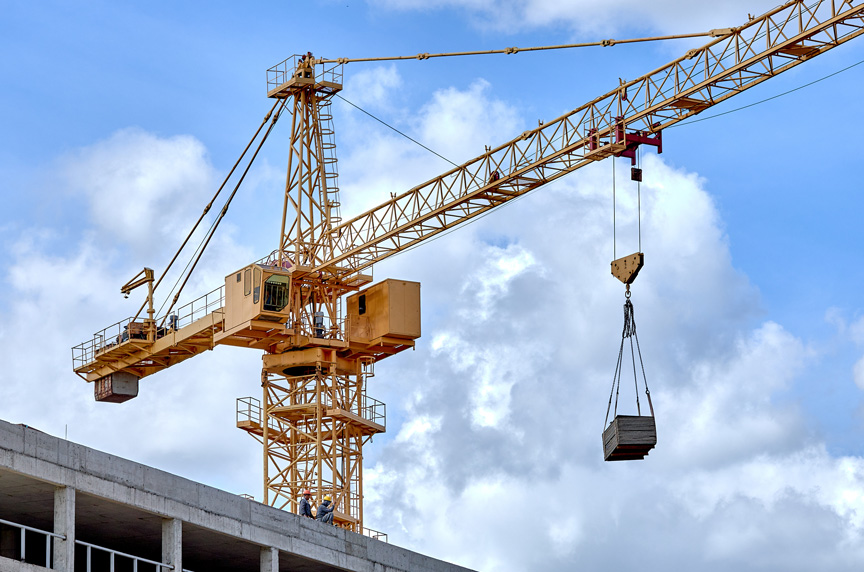
Cranes are essential tools in many industries, especially where heavy lifting, transportation, and precise placement of materials are required. Whether you are involved in construction, manufacturing, warehousing, shipping, or large-scale repairs, cranes can play an important role in improving daily operations. They are designed to handle loads that are too heavy or difficult for manual labor, which not only saves time but also reduces the risk of injuries. Understanding how cranes benefit your business can help you make informed decisions about investing in the right equipment and practices.
Enhancing Productivity with Cranes
One of the biggest advantages of using cranes in your business is the significant improvement in productivity. When heavy materials or bulky items need to be moved, traditional methods can take a lot of time and effort. Human workers may struggle to lift or transport heavy items, causing delays and slow workflow. Cranes, however, are designed to lift and move heavy loads quickly and efficiently. This allows tasks that once took hours to be completed in minutes.
In manufacturing or construction settings, cranes help streamline processes. They make it easier to move raw materials to production lines, place structural elements in position, and assist with assembly. When tasks are completed faster, your business can take on more projects and meet deadlines more easily. This improvement in productivity helps reduce labor costs and increases overall operational efficiency, giving your business a competitive advantage.
Improving Workplace Safety
Safety is a major concern for all businesses, especially those that involve physically demanding tasks. Without proper equipment, workers are at risk of injuries, such as muscle strains, falls, or accidents from attempting to lift heavy loads manually. Cranes help reduce these risks by taking over the heavy lifting and material handling processes.
Because cranes are operated using controls and mechanical systems, they minimize the need for direct physical contact with heavy objects. This reduces the likelihood of accidents caused by manual lifting. In addition, modern cranes come equipped with safety features like overload sensors, emergency stop systems, and stable support structures. These features ensure that loads are lifted and moved safely, reducing hazards in the workplace.
By improving safety, cranes help businesses avoid workplace injuries and the associated medical costs, downtime, and disruptions. A safer work environment also boosts employee confidence and morale, which contributes to better job performance and job satisfaction.
Increasing Accuracy and Precision
In industries where precision is crucial, cranes play an important role in ensuring accuracy. Whether positioning beams in construction, arranging heavy machinery, or stacking materials in a warehouse, cranes allow for precise control of movement. Operators can maneuver loads into exact positions without risking damage to materials or surrounding structures.
This level of precision is very difficult to achieve with manual labor alone. Cranes allow businesses to maintain high quality standards while completing tasks efficiently. The ability to handle delicate or uneven loads with care makes cranes especially useful in industries such as manufacturing, shipbuilding, and infrastructure development. Reduced risk of damage also saves money by lowering the cost of repairs and replacement.
Supporting Larger and More Complex Projects
As businesses grow, the scale of their operations often becomes larger and more complex. Projects may require heavier materials, taller structures, or more advanced operational capabilities. Cranes enable businesses to take on these larger projects confidently. Their lifting capacity and reach make it possible to complete tasks that would otherwise be impossible or extremely difficult.
For example, in construction, cranes can lift large steel beams to great heights, making it easier to build multi-story buildings or industrial facilities. In logistics and shipping, cranes help load and unload cargo containers efficiently, supporting high-volume operations. By using cranes, businesses can expand their capabilities, increase project size, and operate more flexibly.
Reducing Operational Costs Over Time
Although the initial cost of acquiring cranes may seem high, the long-term benefits make them a valuable investment. Cranes reduce the need for excessive labor, speed up project timelines, and prevent costly accidents or material damage. When tasks are completed faster and more safely, the overall operating cost decreases.
Businesses also have the option to rent cranes if purchasing one is not suitable. Renting allows you to use the right crane for specific tasks without long-term commitment. This flexibility helps manage budgets while still benefiting from the efficiency and safety cranes provide.
Conclusion
Cranes offer significant advantages to businesses by improving productivity, enhancing safety, increasing precision, and supporting larger projects. They help reduce manual labor, prevent workplace injuries, and ensure tasks are completed efficiently. Whether your business is involved in construction, manufacturing, logistics, or facility maintenance, using cranes can lead to smoother operations and long-term cost savings. Investing in cranes, either through purchase or rental, can be a smart decision that supports both daily tasks and future growth.